
- Informations
8 best things to do in Nepal
Discover Nepal's best experiences—from trekking the Himalayas and exploring ancient temples to wildlife safaris and vibrant local culture.

- Published
- Updated
- Read time
- 9min
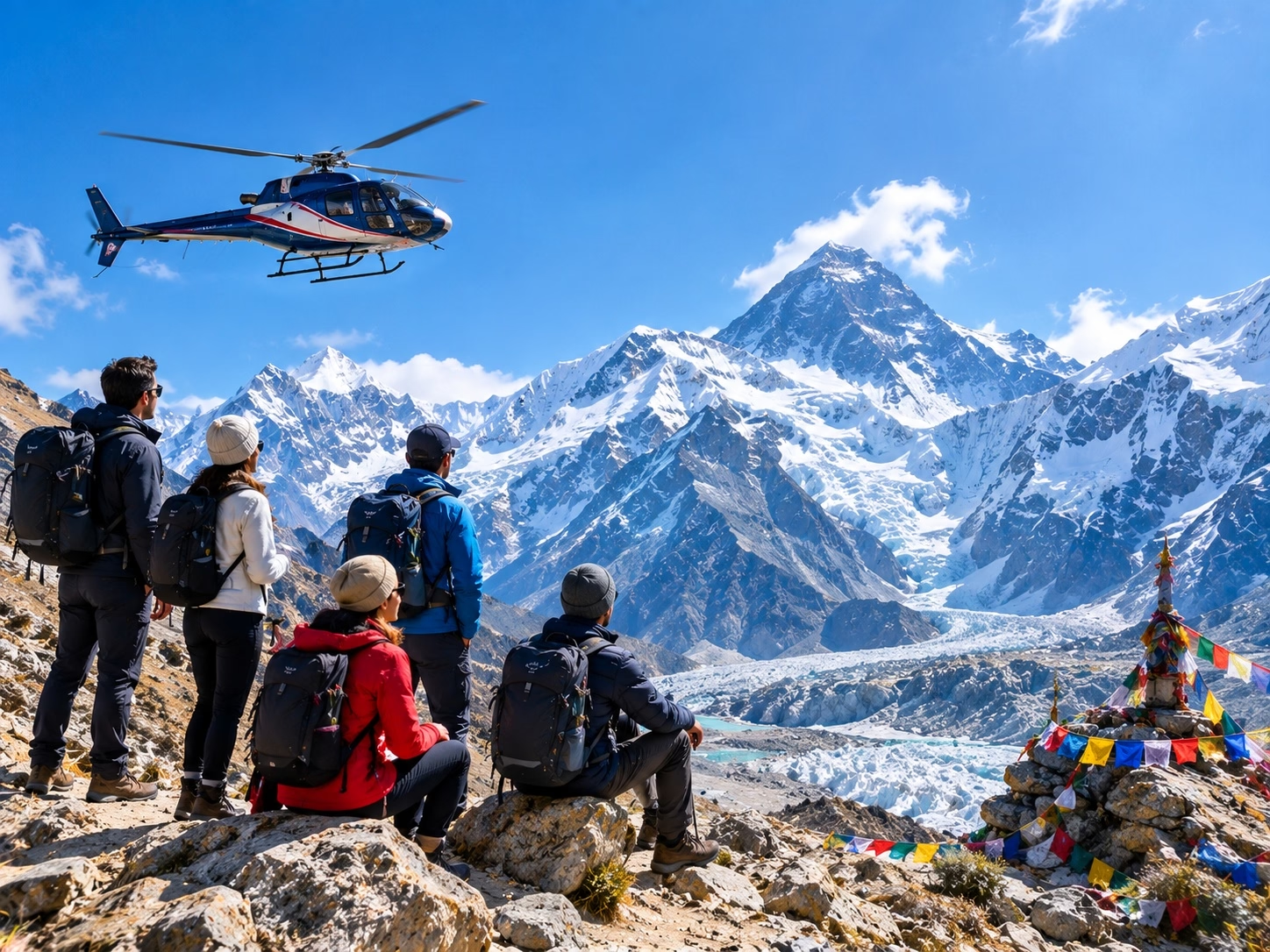
Table of Contents8
If Nepal is on your radar for 2026, this list covers the full spectrum of what makes the country so remarkable: hiking to Everest Base Camp through Sherpa villages and high-altitude trails, watching the sun set over the Annapurnas from Pokhara's Phewa Lake, spotting rhinos and tigers on safari in Chitwan National Park, wandering the centuries-old Durbar Squares of the Kathmandu Valley, finding stillness at Buddha's birthplace in Lumbini, taking a scenic flight for guaranteed Everest views without setting foot on a trail, riding the rapids of the Bhote Koshi, and exploring the remote, once-forbidden kingdom of Upper Mustang. Together, these experiences capture Nepal's mix of towering peaks, wildlife, spirituality, and living culture.
1. Trek to Everest Base Camp
The Everest Base Camp (EBC) trek is the world's most famous trekking route, leading hikers through Nepal's Khumbu region to the base of the planet's tallest mountain.
Duration: 10–14 days round trip
.avif)
Starting point
A short but dramatic flight from Kathmandu to Lukla, landing on one of the most thrilling airstrips anywhere
Route Highlights:
Phakding and Monjo — lower forest trails
Namche Bazaar — the Khumbu's main hub and key acclimatization stop
Tengboche — a renowned monastery with views of Ama Dablam
Dingboche and Lobuche — rugged, high-altitude terrain
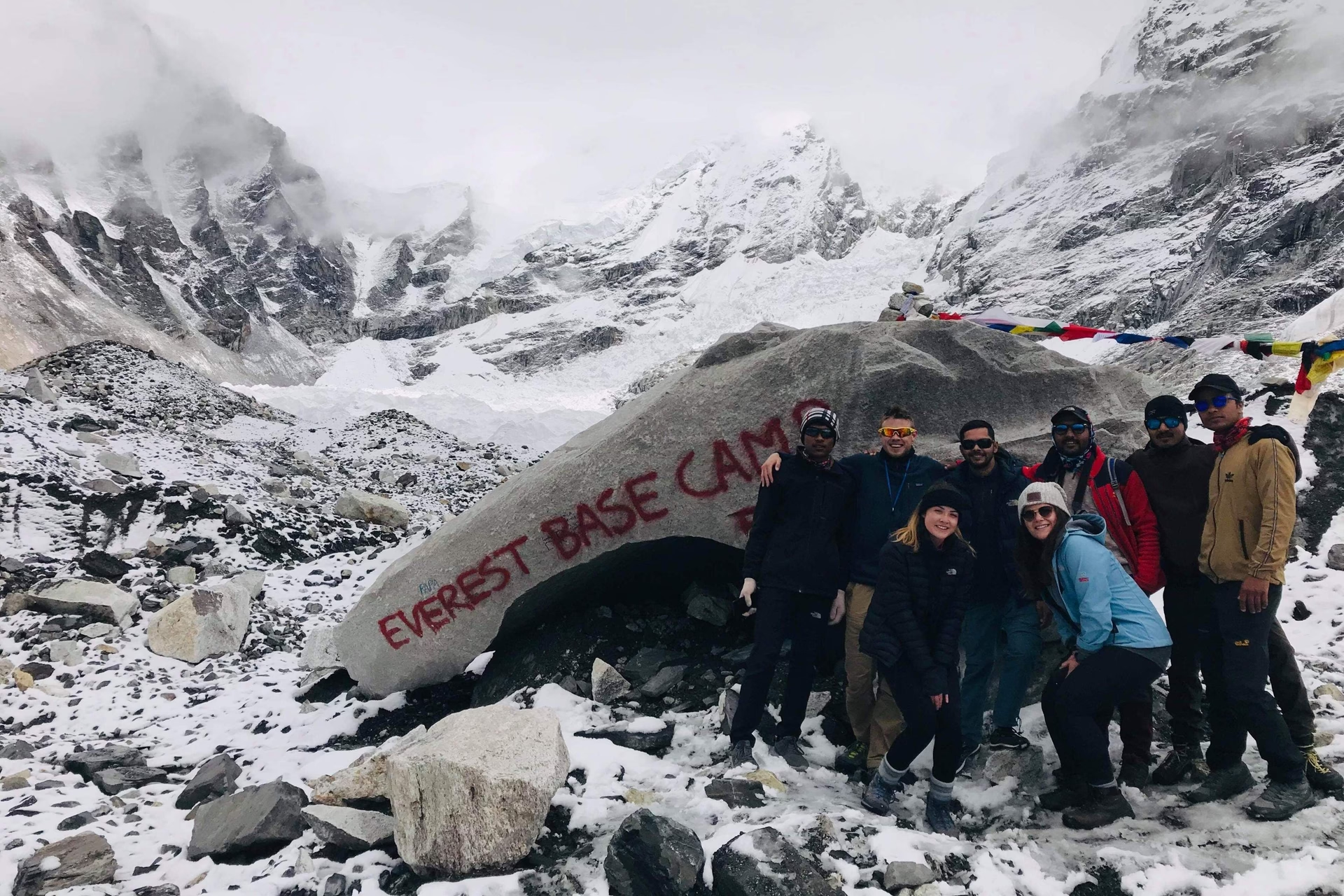
Everest Base Camp — 5,364m, at the edge of the Khumbu Glacier
Kala Patthar — the best vantage point for Everest's summit, since the peak isn't visible from base camp itself
Max altitude: 5,364m (Base Camp); 5,545m with Kala Patthar
Everest Base Camp Trek - 15 Days
View detailsBest Time
March–May and September–November
Highlights
Culture of Sherpa people and villages, monasteries, prayer flags, and teahouse hospitality the whole way
Difficulty
Strenuous, though no technical climbing is required — altitude sickness is the real risk, so acclimatization days matter
Why it matters: You're walking the same trails as Hillary and Tenzing Norgay, with views of Everest, Lhotse, Nuptse, and Ama Dablam along the way.
Pokhara Valley- Watch Sunrise & Sunset Over the Annapurnas in Pokhara
Pokhara is Nepal's easygoing lakeside city, offering some of the country's most accessible mountain views — no trekking required. Pokhara offer numerous adventure activities for adventure like bungy Jump, Paragliding, Hot air Balloon, zipline, sky-Diving.
Pokhara boast numerous caves and temple, Explore it!
Where to watch:
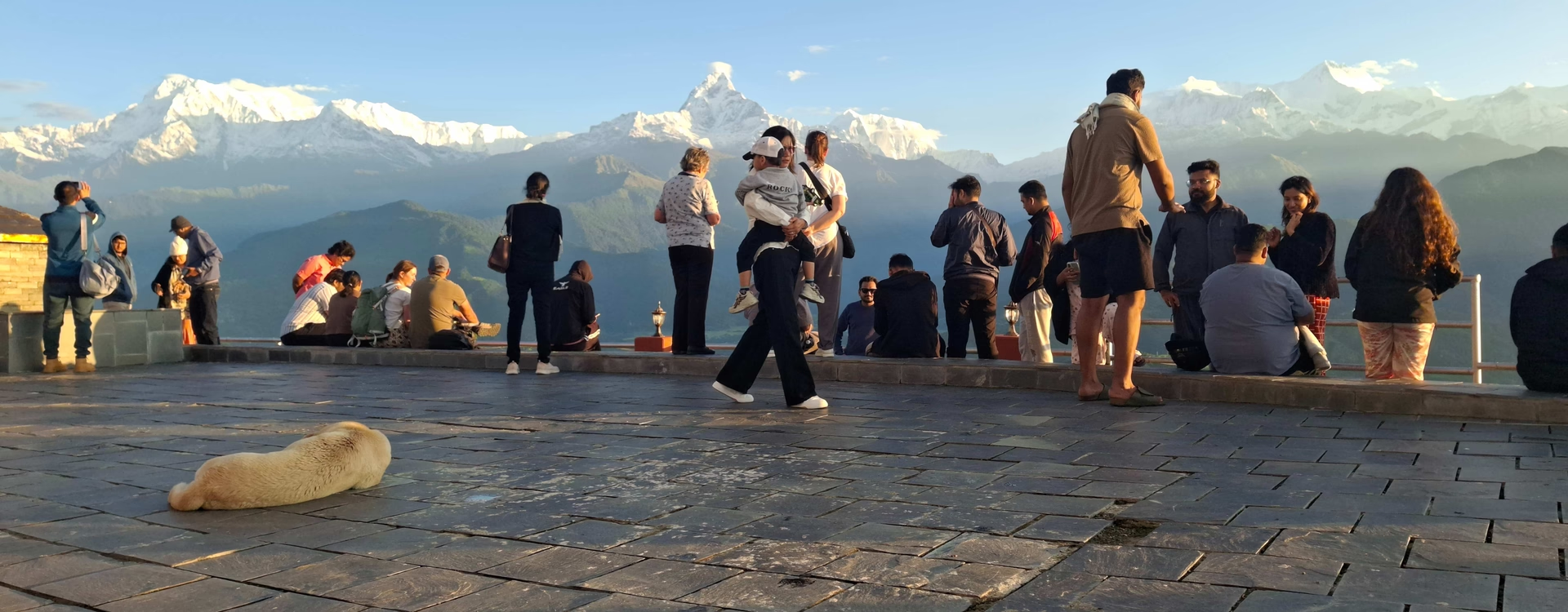
Sunrise: Sarangkot View Point: take a cab ride or Gondola from lakeside
Sunset: Phewa Lake, ringed by boats and lakeside cafés
The view
The Annapurna range, including Machapuchare (Fishtail), glows gold and pink as the sun drops behind the peaks
Best spot
A boat on the lake for reflection shots, or the lakeside promenade for an easy, relaxed view
Best season:
October–November and March–April, when skies are clearest
Why it matters: It's a low-effort way to take in world-class Himalayan scenery — perfect for travelers who want the views without the days of hiking.
Pair it with: A short hike up to the World Peace Pagoda or Sarangkot for an even higher vantage point.
Go on Wildlife Safari in Chitwan National Park
Chitwan National Park is Nepal's flagship wildlife destination, a UNESCO World Heritage Site set across the subtropical lowlands of the Terai.
Star wildlife
The endangered one-horned rhinoceros — Chitwan is home to one of the largest populations left in the world
Also spotted
Bengal tigers, wild elephants, leopards, crocodiles, and sloth bears (tiger and leopard sightings are rarer and down to luck)
Birdlife: Over 500 recorded species, making it a favorite for birdwatchers
How to explore
Jeep safaris — best for covering ground and spotting rhinos and larger mammals
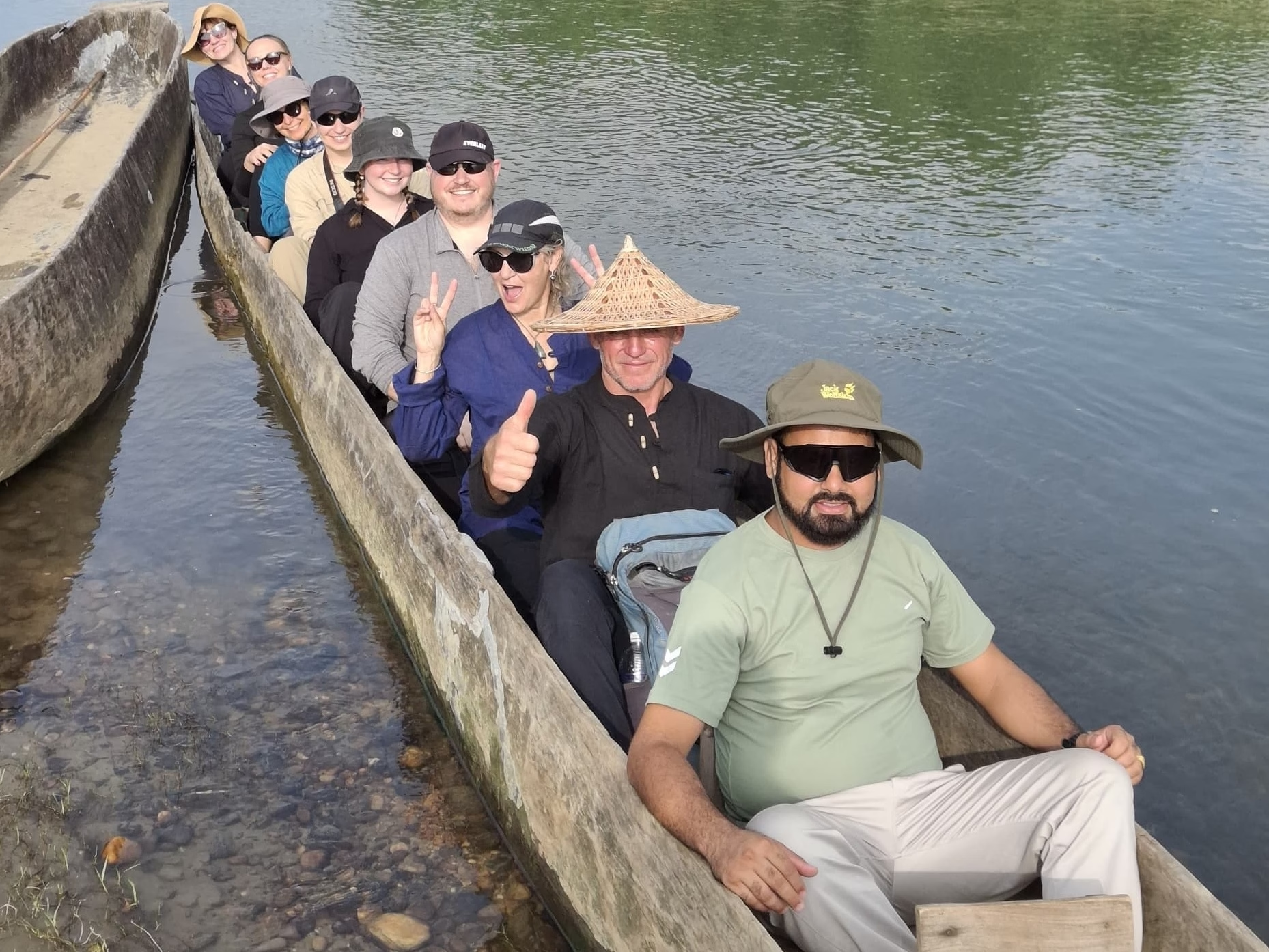
Canoe rides on the Rapti River — good for crocodiles and birds
Guided nature walks — closer, quieter wildlife encounters
Elephant-back or elephant-viewing programs at community-run centers
Best season: October–March, the dry season, for pleasant weather and clearer sightings
Culture add-on
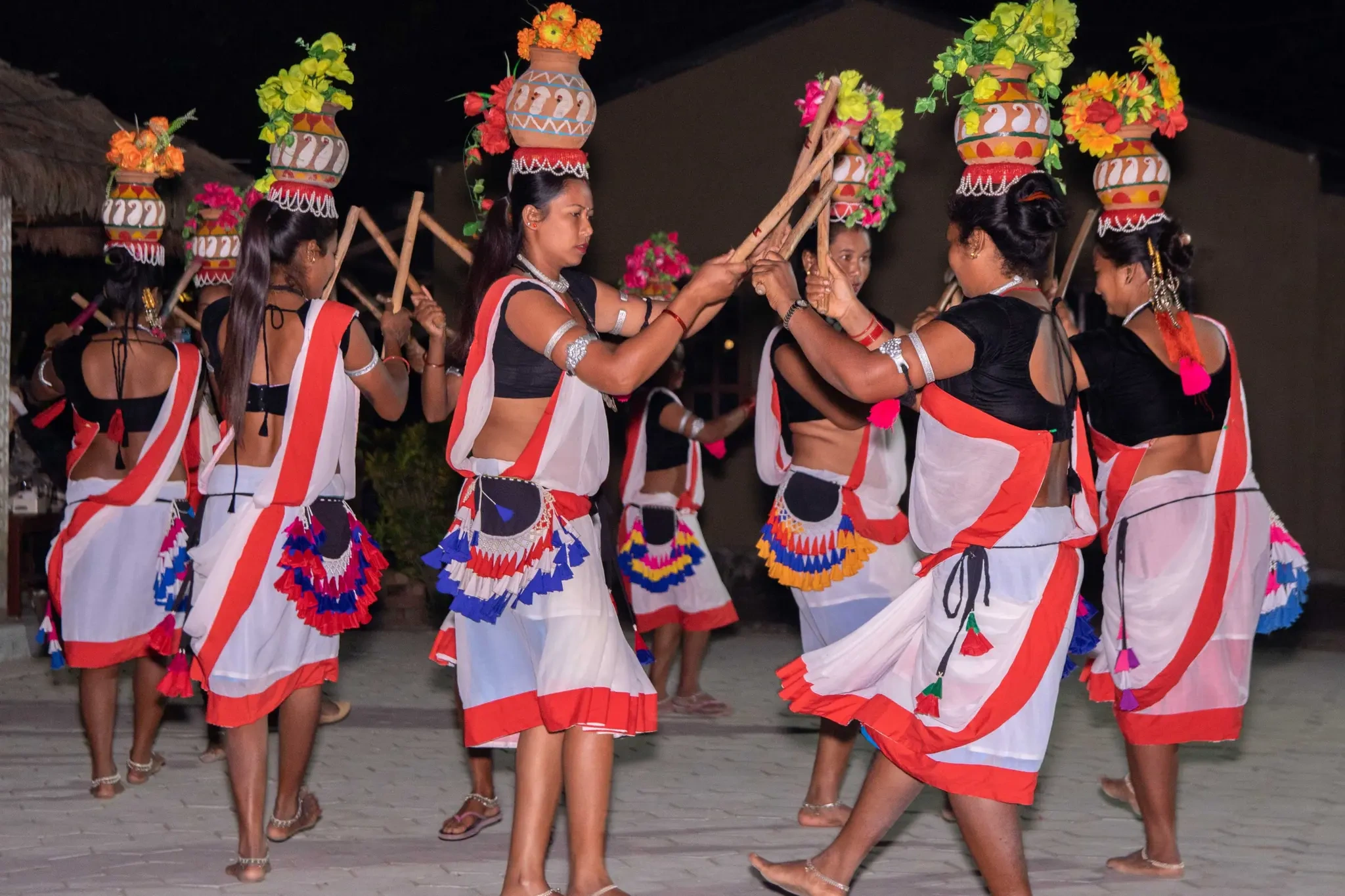
Nearby Tharu villages offer a glimpse into indigenous Tharu traditions, including their traditional stick dances
Why it matters
Chitwan is one of Asia's great conservation success stories — a genuine chance to see rhinos and tigers in the wild.
Explore the Ancient Durbar Squares of Kathmandu
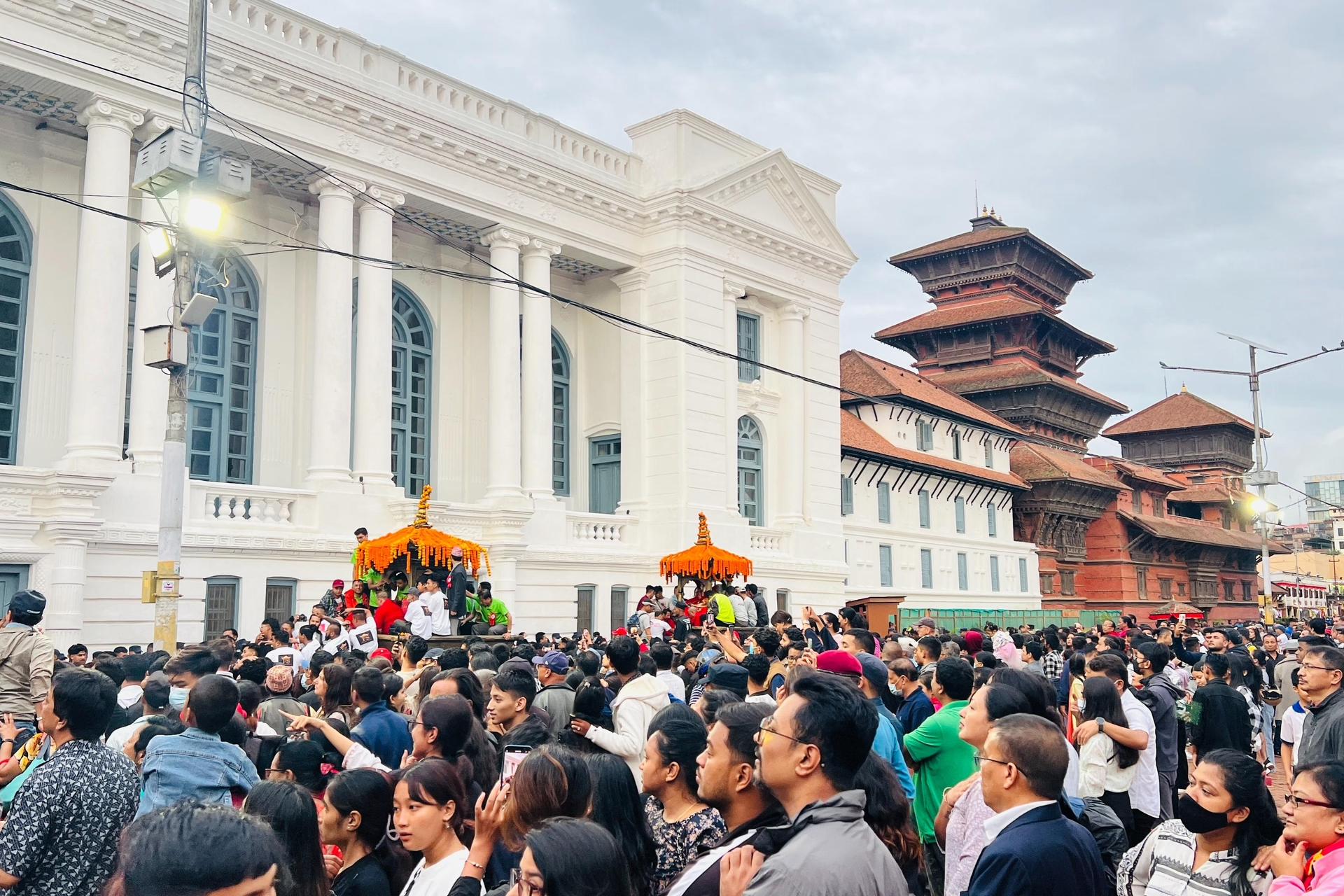
The Kathmandu Valley boast three UNESCO-listed Durbar (palace) Squares, each showcasing centuries of Newari architecture, royal history, and religious life.
Kathmandu Durbar Square
The former royal palace complex, home to the Kumari Ghar (residence of the Living Goddess) alongside a mix of Hindu and Buddhist temples
Patan Durbar Square
Home to the finest concentration of Newari architecture and metal and stone artistry, built around the old Malla royal palace
Bhaktapur Durbar Square
The best-preserved of the three, known for the five-story Nyatapola Temple and its pottery square, with a quieter, small-town feel. Pottery and Wood carving are other major attraction of Bhaktapur.
Architectural highlights
Pagoda-style temples, intricately carved wooden windows and struts, and centuries-old royal palaces
Why it matters
These squares reflect over 1,500 years of Newari craftsmanship and remain living spaces — locals still worship, trade, and gather here daily.
Good to know:
All three squares were damaged in the 2015 earthquake, and ongoing restoration has since revived much of the original architecture.
Best time to visit: Early morning for fewer crowds and soft light, or sunset for golden-hour photos.
Find Spiritual Serenity at Lumbini
Lumbini is the birthplace of Siddhartha Gautama, who became Lord Buddha, making it one of the most sacred pilgrimage sites in the world and a UNESCO World Heritage Site.
Maya Devi Temple:
The core sacred site, marking the exact spot of Buddha's birth in 623 BCE, with an ancient marker stone and remains of earlier structures preserved inside
Sacred Pool (Puskarini)
Where Buddha's mother is said to have bathed before his birth
Ashoka Pillar
Erected by Emperor Ashoka in 249 BCE, inscribed to confirm Lumbini as Buddha's birthplace
Monastic Zone
Split into East (Theravada) and West (Mahayana/Vajrayana) zones, home to monasteries built by countries including Thailand, Myanmar, China, Japan, Germany, and Vietnam, each in its own architectural style
Atmosphere
Peaceful and meditative, with an eternal flame for world peace and quiet, canal-lined paths linking the monasteries
Best time to visit
October–March, for cooler, more comfortable weather.
Why it matters
It's a pilgrimage site for Buddhists worldwide, and a place of quiet reflection for visitors of any background.
Take a Mountain Flight Over the Himalayas
A mountain flight is the fastest way to see Everest — a scenic, one-hour flight from Kathmandu that puts the world's highest peaks right outside your window, no trekking involved.
Duration: About 1 hour round trip from Kathmandu Domestic Terminal
What you'll see
Mt. Everest, Lhotse, Makalu, Cho Oyu, Ama Dablam, and other major Himalayan peaks, all in a single flight
Best feature
Every passenger gets a window seat, and crew often invite guests up to the cockpit for unobstructed Everest views
Best time
Early morning flights, when skies are clearest and winds are calmest
Who it's for
Travelers short on time, those unable to trek, or anyone wanting guaranteed Everest views regardless of season or fitness level
Why it matters
It's a quick, comfortable way to grasp the scale of the Himalayas and photograph Everest up close.
Good to know: Flights depend on clear weather and can be delayed or cancelled during poor visibility, especially during monsoon season (June–August).
Go Whitewater Rafting on the Bhote Koshi
The Bhote Koshi is one of the world's most thrilling short rafting runs, known for its steep gradient, powerful rapids, and dramatic Himalayan gorge scenery.
Location
About 3–4 hours drive from Kathmandu, near the Nepal-Tibet border
Difficulty
Grade IV–V rapids — built for thrill-seekers wanting an intense run, not a relaxed float
Trip Duration
Typically a single-day trip, easy to fit into a short Kathmandu stay
Scenery
A narrow, steep gorge with fast-dropping water, framed by forested hillsides
Best season
September–early December and March–May, for optimal water levels and safety
Why it matters
It's ranked among the top adrenaline rafting runs in the world — a fast, intense contrast to Nepal's more meditative attractions.
Good to know
A reasonable fitness level and comfort with intense, technical rapids are required; life jackets, helmets, and experienced guides are standard.
Discover the Hidden Valleys of Upper Mustang
Upper Mustang is a remote, high-desert region often called Nepal's "last forbidden kingdom" — a former royal enclave that remained closed to outsiders until 1992.
Highlight destination
Lo Manthang, the walled former capital of the Kingdom of Lo, still enclosed by its centuries-old mud walls
Landscape
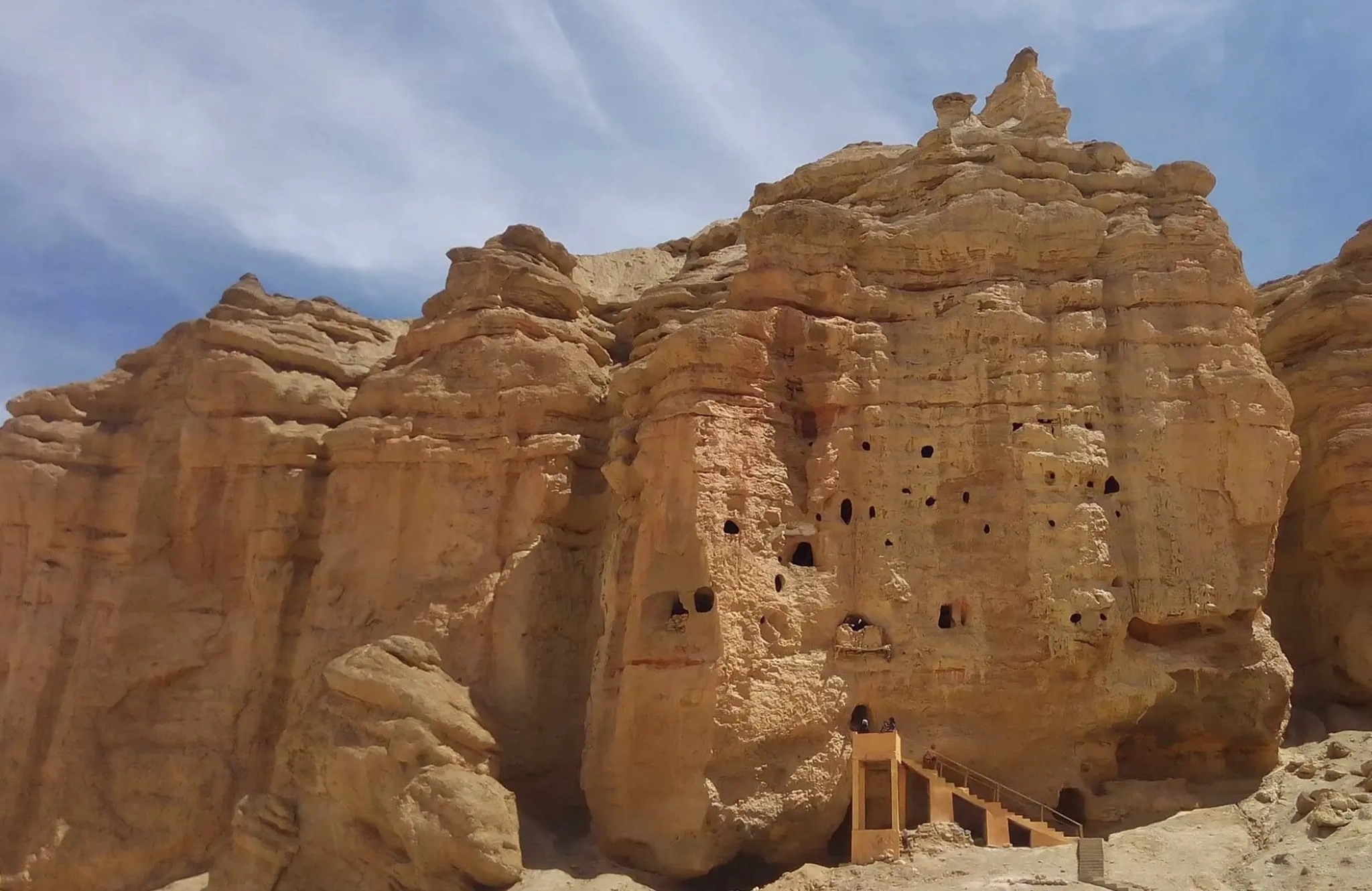
Stark, semi-arid high desert with wind-carved cliffs and red-and-ochre rock formations, closer in feel to the Tibetan plateau than the rest of Nepal
Culture
Deeply Tibetan Buddhist, with ancient monasteries, chortens, and prayer flags, plus a distinct dialect and traditions preserved by the region's historic isolation
Ancient caves
Mysterious sky caves carved into cliff faces, some over 2,000 years old and still not fully explained by archaeologists
Access
Requires a special restricted-area permit in addition to standard trekking permits; typically reached via a flight or drive to Jomsom, then trekked or driven onward by jeep
Best season
June–September — Mustang sits in a rain shadow, making it a great destination even during Nepal's monsoon, when other regions are wet
Why it matters
It's one of the last places to experience untouched Tibetan culture and dramatic desert-mountain scenery, with far fewer crowds than Everest or Annapurna.
Discover Nepal's best experiences—from trekking the Himalayas and exploring ancient temples to wildlife safaris and vibrant local culture.